Looking at a fairy lantern , you might not realise it ’s a plant . These ghostly white botanic specimen haunt the forest floor arrange onspookybioluminescent show , and now we ’ve got a whole new genus to add to the list .
A genus is a taxonomic category that groups together species . It represents a whole grouping , rather than an individual , so finding a new genus of anything is pretty big word . In fact , nobody ’s found a new genus of plants in Japan in almost 100 years , which attain the discovery of a new chemical group of fairy lanterns very exciting indeed .
Part of the reasonfairy lanternslook so alien is because , unlike a portion of plant , they do n’t photosynthesize . That means they lack that classic , somewhat chlorophyll unripe , or else search like a blob of pickled asparagus .
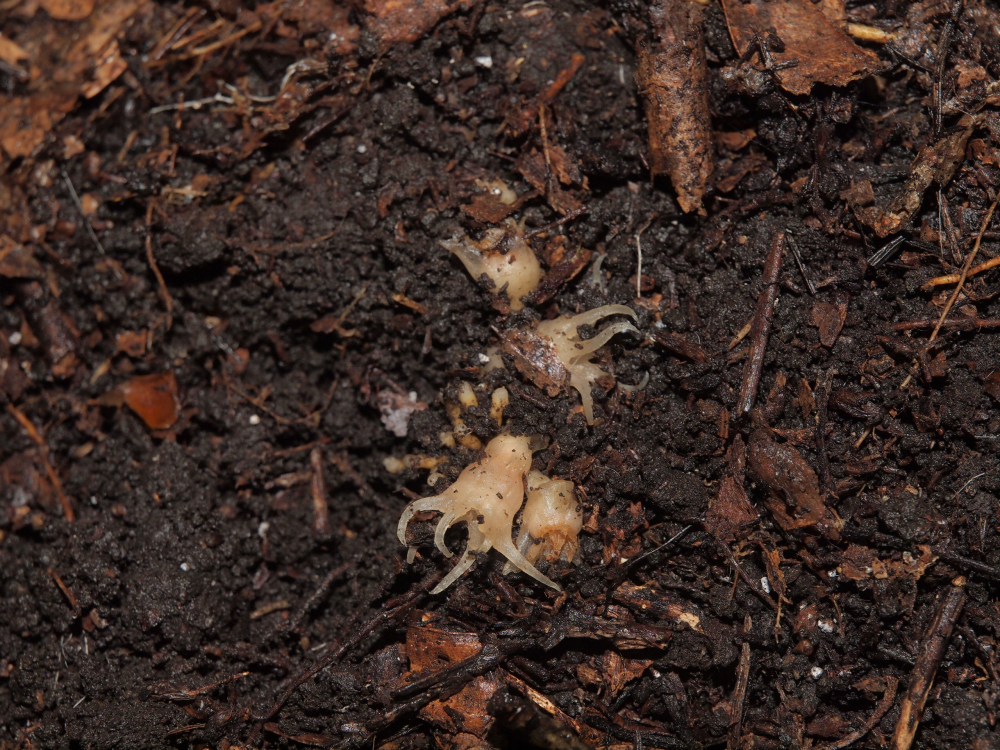
It’s easy to see why these plants would be hard to find.Image credit: TAGANE Shuichiro
They can get away with being so ghostly pale because they get their energy from feed on fungal mycelia in the dirt . This is why they ’re most commonly found lurking under flow leave , spending most of their clip hardly visible at all as their flowers only briefly pound up surface - side .
Fairy lanterns are know as Thismiaceae , but the Japanese name for one of the major groups in the family is “ Tanuki - no - shokudai , ” roughly translating to “ raccoon dog ’s candleholder ” . Despite their name , racoon dogs(Nyctereutes procyonoides ) are most nearly related to dodger , and as for their candle habits ? Never you mind .
These plant life ’ knotty modus vivendi mean find them is very rare as they ’re so unmanageable to distinguish , but now we have a whole new genus to add to the list of known poof lanterns . Its discovery came about thanks to a hobby botanist who regain a fairy lantern that a local expert suspected might be a new genus of Tanuki - no - shokudai .
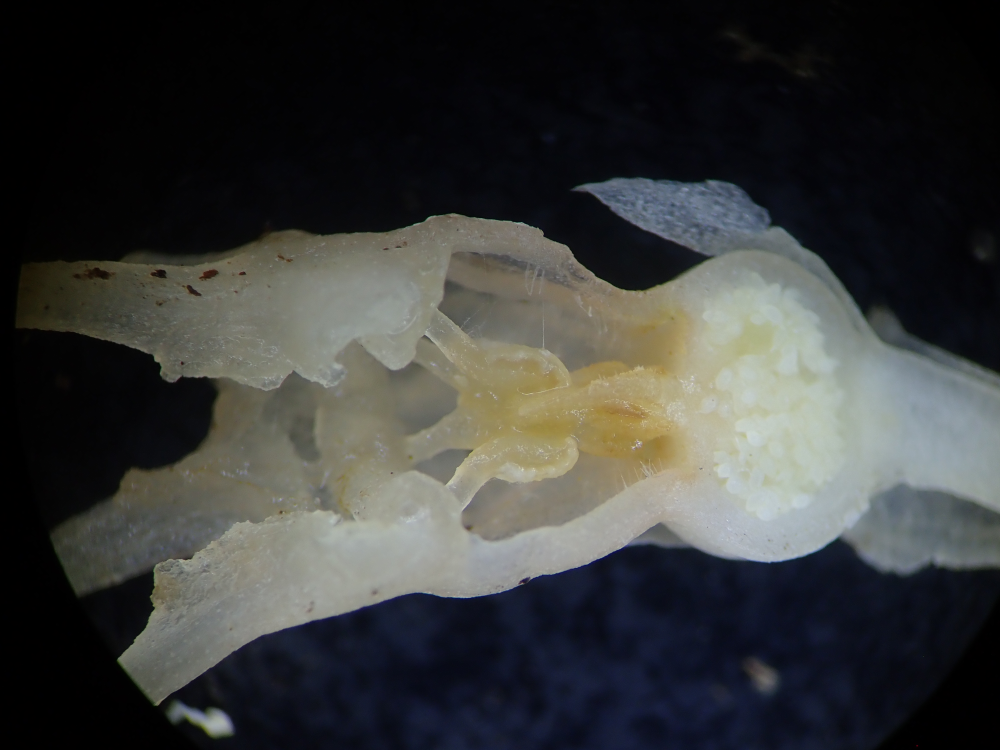
The ghostly white of fairy lanterns comes from their lack of chlorophyll.Image credit: TAGANE Shuichiro
“ At present , approximately 100 species within the family have been identified , nearly half of which are known only from their first discovery , sometimes from a unmarried specimen , ” explained Kobe University botanist Suetsugu Kenji , an internationally renowned expert on non - photosynthetic plants , in astatement . “ The dedication of Japanese amateur researcher to revealing the concealed plant of these region has been crucial in identify species unknown to science . ”
After receiving the specimen in the office , it was evident it had unique feature that set it aside from the other genus , so the researcher went in search of a living specimen . They travelled to Kimotsuki in Kagoshima Prefecture , where the discovery had been made , but the first year had no luck . A second trip proved to be more successful , as they discovered four more plants in the same minute funnies as the original find .
The new genus is believed to have diverge at an former stage in the evolution of Thismiaceae and has been named “ Mujina - no - shokudai , ” or “ badger ’s candleholder ” . Its Latin name isRelictithismia kimotsukiensis , which can be translated as “ Thismia relict of Kimotsuki . ”
“ Japan is one of the regions in the world where botanical resume are most innovative , relieve oneself the discovery of new plant specie highly rare , and the breakthrough of a new genus even more so , ” added Suetsugu . “ This enquiry might paint a picture that many other new mintage may be hide in region previously thought to be well - studied and underscores the critical pauperism for ongoing geographic expedition and probe of the planet ’s plant life both abroad and at home . ”
The field is published in theJournal Of Plant Research .
